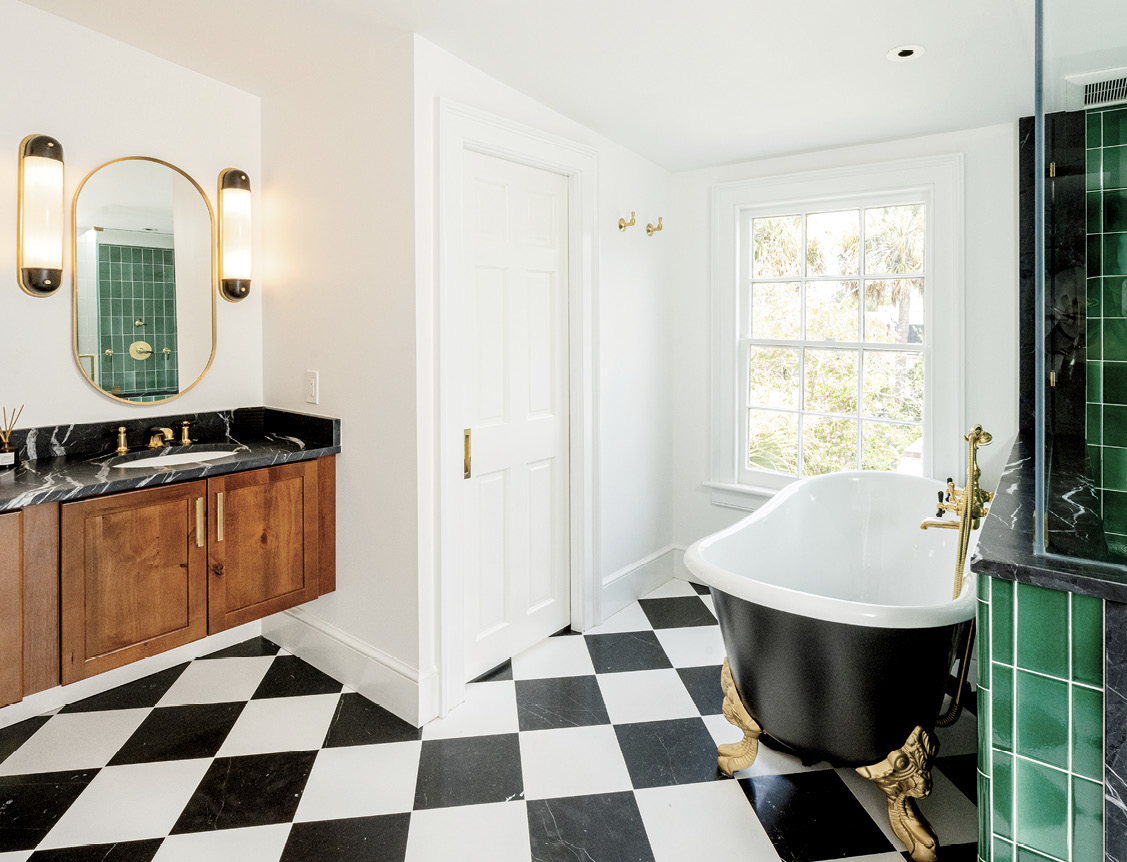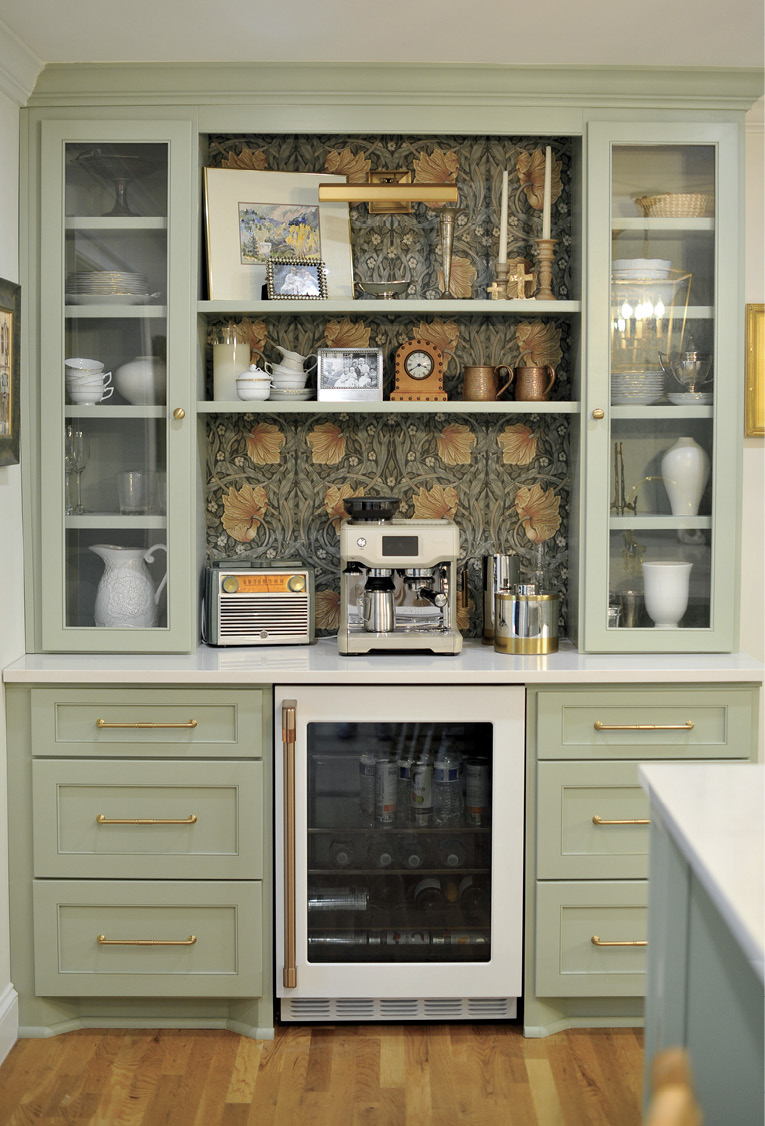


CRAFTSMANSHIP AND TRANSPARENCY ARE TWO WORDS THAT YOU’LL ENCOUNTER frequently when working with Charleston-based homebuilder Irwin Built. They’re buzzwords that hold the weight of ethos, driving everything they do, from client relations to the homes themselves. The company is built on the foundational belief that quality, trust and reliability are essential to creating not only a lasting company legacy but also homes that stand the test of time.
Founded in 2022 by Danny Irwin, Irwin Built was very much a response to the “build it fast” way of doing things that has so long pervaded the homebuilding industry. Irwin, who had spent nearly a decade teaching in Charleston County schools after college, had gone back to school to obtain his master’s in project management, which ultimately led him into construction. It was then that he saw the glaring need for something different in the construction industry, and so Irwin Built was born.
Naturally, timeline and bottom line are important to any project. But for Irwin Built success is not measured in the number of projects completed or their size and scope. It’s about the relationship built between his team and the homeowner’s team. “Every project has a driver. A lot of our commercial jobs are driven by speed, but most of our work is residential, high-end, where quality is the main driver. Like anything in life, it’s about prevention instead of intervention. You prevent poor quality and poor communication by having the right plan in place: proper sequencing, the right subcontractor/craftsman selection and in-house crews that exemplify quality, discipline and the level of craftsmanship the Charleston market demands. Being intentional about the relationships you build with craftsmen and staying consistent in your expectations leads to a high level of quality,” Irwin says. “We also believe a project doesn’t run itself. Good project management is essential to a project’s success. Our project managers are trained at a high level, and every project has a dedicated project manager who owns it from beginning to end. We pride ourselves on having the best of the best—team members who love their jobs and love serving clients.”
It’s part of their dedication to craftsmanship, as is their understanding of what it takes to restore the historic homes that define Charleston, renewing their beauty while updating them to modern standards in a way that respects their history.
“Historic preservation and restoration comprise a specialized niche, requiring a unique expertise in the means and methods used in the past. A lot of current construction methods and materials aren’t compatible with historic construction—they can do more harm than good. Understanding that, along with having an understanding of new processes, better equips our team to build according to the actual needs of the structure instead of taking a one-size-fits-all approach,” Irwin says. “With a home built in the 1990s, past renovations are usually self-evident—a bathroom or kitchen remodel, a wall removed that you can see in the flooring pattern. But historic homes have had so much history and so many hands touch them that you never really know what’s behind the walls until you open them up—how many layers of lath, rock and plaster, or what’s been done before. It’s hard to predict, so what seems like a simple fix can turn into something much bigger. On top of that, we live differently than the people who built these houses did. We have air-conditioning, while they didn’t. If we’re building on the Isle of Palms or Sullivan’s Island, we build a tight envelope. Historic downtown properties weren’t designed with a tight envelope or heavy insulation. It’s just a different style, and you have to factor that in and advise clients on what you’ve seen go wrong in the past.”
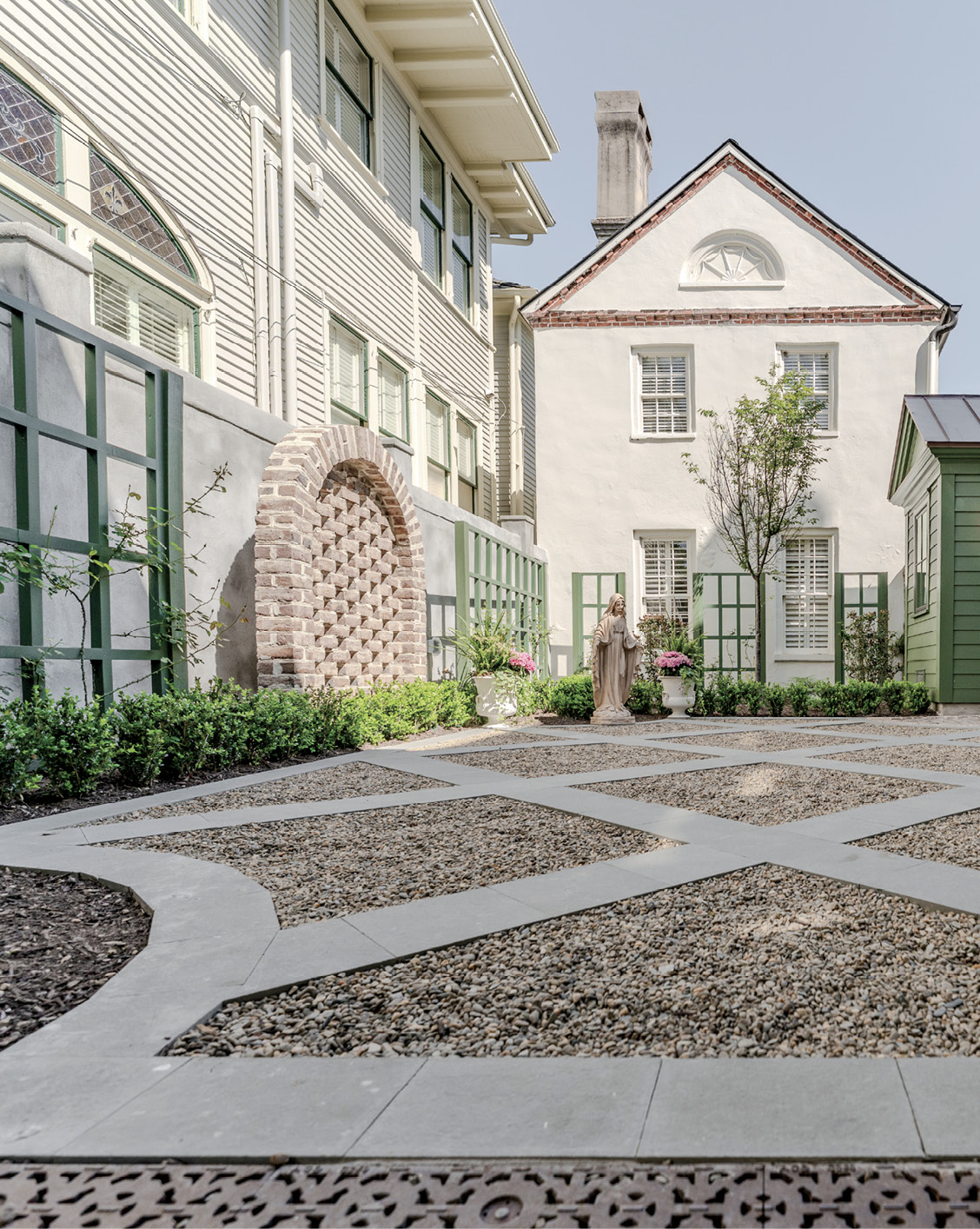
Of course, historic preservation and modernization can often be two goals seemingly at odds, but Irwin and his team have learned through years of experience how to both respect the past and give clients what they want. “We follow established preservation standards that give great guidance on what to preserve,” says Irwin. “When working downtown in a historic property, we respect the Board of Architectural Review and what they’ve built through their stewardship of these historic properties. We don’t want to erode what makes the Charleston market attractive—that sense of stepping back in time—by not respecting the materials used in the past and replacing them in-kind. But there’s a balance. The wood used historically isn’t the same as what’s grown today, so it’s about matching materials when it makes sense and using historic means and methods when those are important.”
Irwin explains that modern amenities like HVAC, electrical and plumbing already exist in these historic homes, sometimes having been replaced two or three times over during the lifetime of the home. As a company, he believes their role is to maintain the structural integrity of the home while providing modern amenities. “It’s a balance between respecting the history of these homes and being able to live in them under current standards, which can only be achieved by understanding how and when structural elements are affected and following the recommendations of a structural engineer,” he explains. “On the commercial side, that means planning ahead with proper mechanical, electrical and plumbing drawings so the structural engineer and contractor can work together to meet modern standards without compromising the integrity of the structure.”
While historic homes comprise a large part of Irwin Built’s projects, the company places just as much importance on the quality of its new builds, working with a determination to construct new homes in a way that ensures that they, too, will become a lasting piece of the city. Despite the differences in style between old and new, Irwin believes that balance is found when the right team is in place.
“As a contractor, our role is to follow the designs of the architect or designer,” he says. “Coastal design is much different than historic design, and sometimes they don’t match, so the way you get the end product right is to start with a team that has real experience in that environment. Partnering with the right designer and architect allows us to implement their design work in a way that’s smooth for everyone involved.”
That teamwork is a facet of their dedication to transparency, a principle that has proven invaluable in the company model, particularly in dealing with clients. “Transparency is important to us throughout the entire process,” says Irwin. “Our clients understand costs from the outset and have access to detailed documentation as the project progresses. Through our project management software, they can also track estimated costs against their budget in real time. Everything is out in the open.”
For Irwin Built, that level of transparency is as integral to the process as the craftsmanship itself. It gives clients confidence in what is happening behind the walls, beneath the finishes and within the budget—and establishes the trust necessary to navigate projects in which the unexpected is often inevitable.
Whether restoring a centuries-old Charleston home or building one intended to become part of the city’s future, Irwin and his team approach each project with the same belief that doing things well requires doing them thoughtfully, honestly and with the right people in place. And while it may not always be the fastest way to build, it is how Irwin Built creates homes—and relationships—designed to withstand time and change. *
Liesel Schmidt is a freelance writer and book editor based in Navarre, Florida. She is the author of three novels.
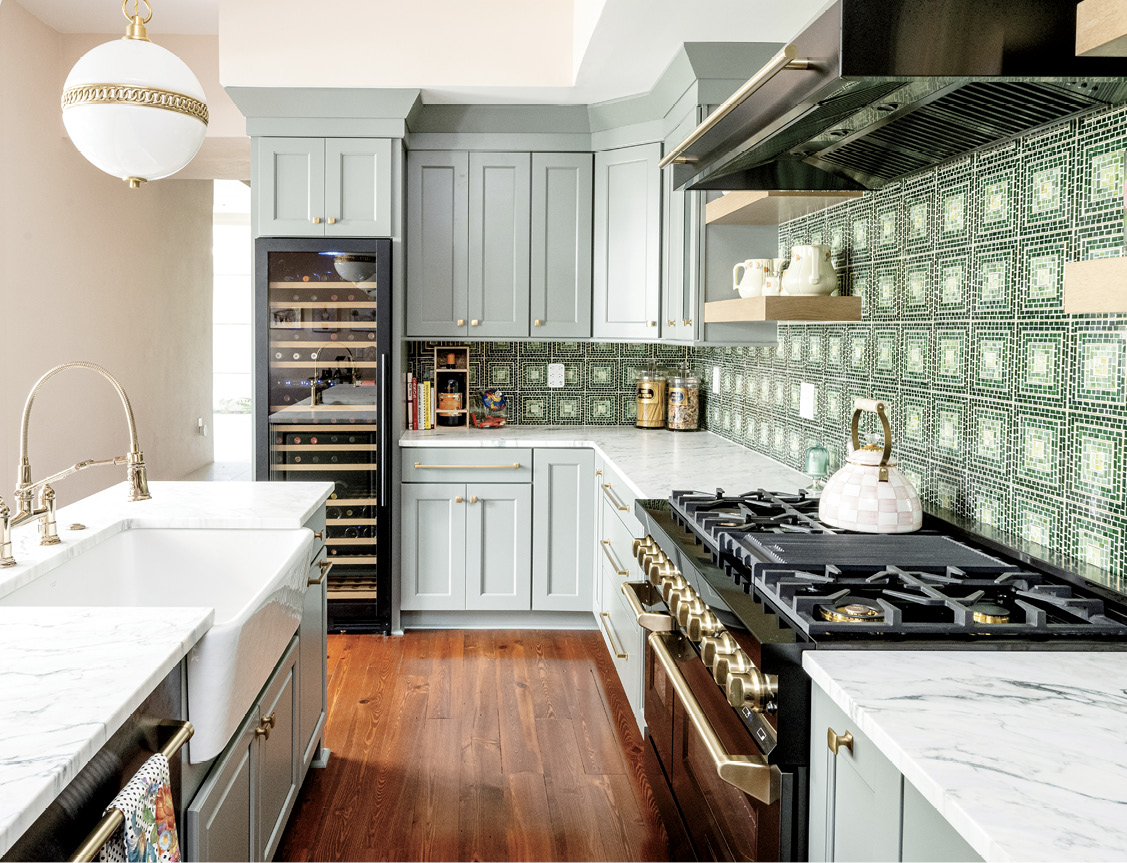
“We pride ourselves on having the best of the best—team members who love their jobs and love serving clients.”